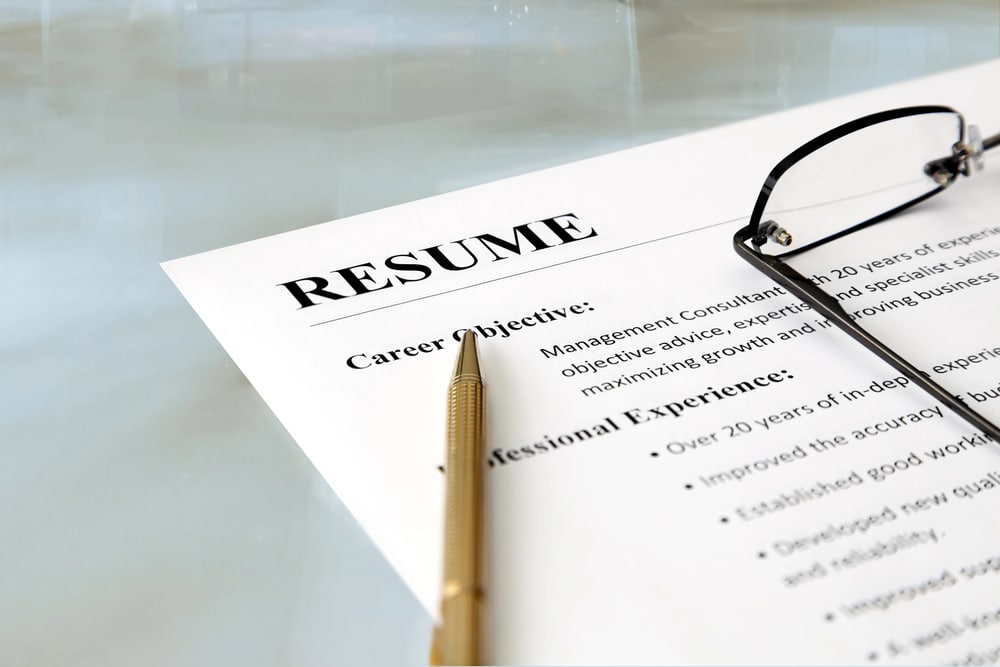
A resume is a concise way for recruiters and employers to find a new team member who fits their company values and will complete the job correctly. A resume that gets you hired should highlight your skills and strongest assets if you want to be noticed among other candidates.
With multiple resume templates to choose from, it can be difficult to determine what layout is the best, how to format your experience, and what mistakes to avoid. We have gathered some of the best tips on how to create a resume that gets you hired and noticed by employers. Your resume is the first impression employers have of you, so it is important to make a good one. Continue reading to learn more!
List Skills At The Top
Even before your job history, you should list your special skills that are pertinent to the job you are applying for. This gives those looking at your resume a quick snapshot of how you can fulfill the role and benefit their company. Recruiters and employers can also quickly scan this bulleted list and determine if they want to examine further. You will want to catch the attention of employers immediately if you want to get hired.
Using the Right Language
In a written resume, it may seem hard to show something rather than tell the person reading it. It is best to avoid saying vague statements but rather tell facts that make your point clear. Tell those who come across your resume how you started your own company from scratch or how you were in the top five percent of salespeople without flowery language. Provide insight on how you achieved these major accomplishments, rather than just stating that you did.
Choose The Right Font
While you do want your resume to stand out, you don’t want it to stick out for the wrong reasons. The font and colors you choose should look professional and be easy to read if you want to increase your chances of getting the job. Finding a balance between a font that is large enough to read, but isn’t too showy is the fine line you need to walk if you want a resume that gets you hired. If someone has to squint to read your resume, that is almost a guarantee your resume won’t get read.
Don’t Leave Gaps
If you have had a gap year or summer without work, you may feel weird about putting them in your resume. While you can have work gaps in your resume (employers understand that life happens), you should be able to describe why there is a gap. However, some candidates don’t get the chance to explain these gaps in an interview. Some employers will skip over resumes with significant gaps, leaving you with an even longer gap in your work history. When developing your resume, make sure you are listing skills and job experience that are most relevant. This could eliminate your gap or make it look less obvious, especially if you leave off jobs from high school or irrelevant work.
Utilize Action Words
Word choice is another way to set your resume apart from the stack on an employer’s desk. Although you don’t want a resume to be flowery, you can use better words to articulate your point without seeming showy. Action verbs that communicate leadership, communication, teaching, and adaptability should be included in a well-rounded resume. Here are some common examples that can beef up your resume and change the way someone looks at your experience:
- Analyzed
- Developed
- Prioritized
- Influenced
- Recruited
- Conducted
- Organized
- Adapted
- Facilitated
- Directed
- Initiated
- Accelerated
- Controlled
- Unified
List Most Recent Information First In Each Section

Resumes should be written in chronological order; each section should include your most recent accomplishments directly under the heading. Information in your resume should be easily digestible by the reader, especially for job openings that may get hundreds or even thousands of resumes. Having your skills listed first and your most recent work experience soon after will help you increase your chances of moving further during the hiring process.
Finding Jobs With All Trades Staffing
Finding the perfect job can be difficult, especially in an oversaturated job market. All Trades Staffing can help match you with a job that matches your skills and personality. Our team focuses on finding the right work for many different types of people of all different backgrounds.
Some of our most in-demand jobs include carpentry, construction laborers, welders, and maintenance workers. These trade jobs often pay higher wages and can help you build necessary skills for jobs in other industries. Working with All Trades can help you get ahead in life through temporary employment. Contact us to learn more about our current openings.